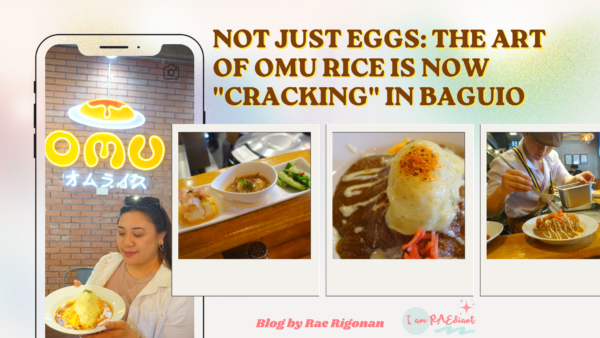
I’ve watched MasterChef US and MasterChef Australia a couple of times—and in one episode, a chef said something that stayed with me: one of the most difficult dishes to cook is a simple egg.
Not because it’s complicated, but because it demands precision. Timing. Control. Especially when you’re aiming for something specific—like a perfectly executed omelette.
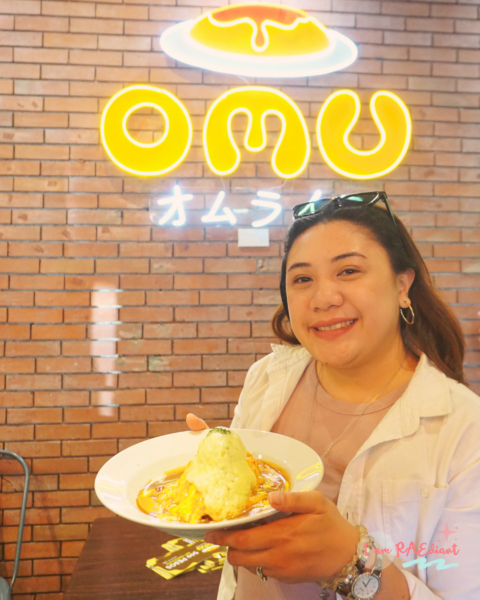
I’ve always loved a good ceremonial feast—the kind that eases you into the experience. And that’s exactly what you get at Omu by Agara Ramen, still, for me, a “hole in the wall” along North Drive—the same place where their well-loved ramen story began.
This new era? It doesn’t try too hard. It just delivers. One word continues to define the experience here: CRAFTSMANSHIP. (And right beside it—DEDICATION.)
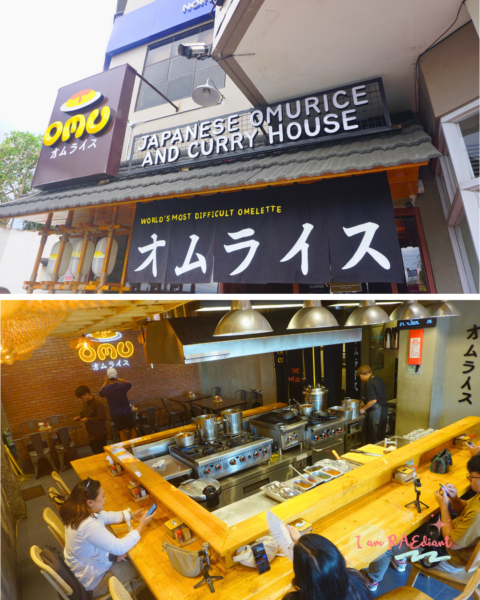
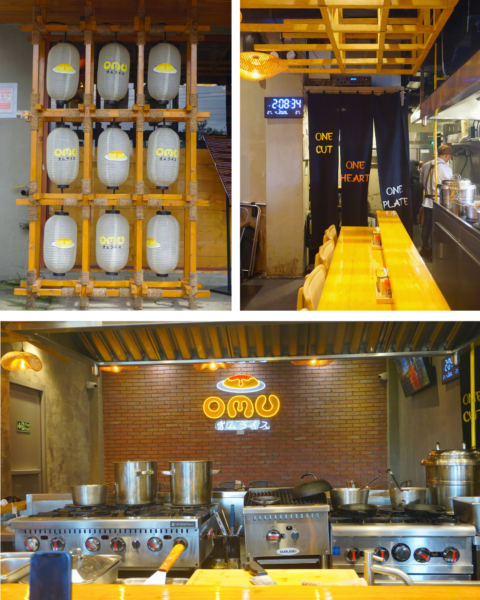
The Experience
You’re greeted as you enter—warm, intentional.
Then comes the oshibori—a warm hand towel to cleanse your hands, a signal that you’re about to begin something thoughtful.
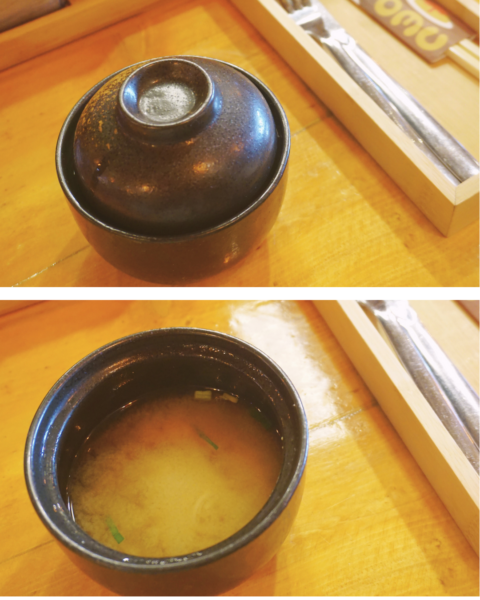
Next: miso soup.
A small bowl, but it does a lot—warming your body, gently waking up your palate.
Otoshi Sampler
A selection of small Japanese-style appetizers served at the start of the meal. Each bite has a different flavor and texture, meant to prepare your palate before the main dish.
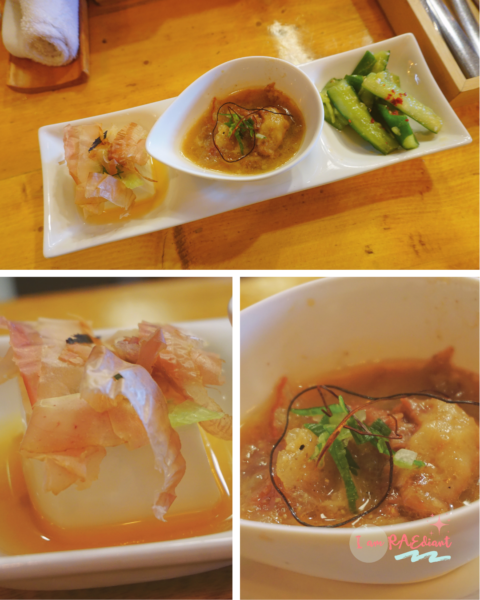
Then, the appetizers—three carefully curated bites (optional if you want the full course experience).
Each is plated with intention, meant to be eaten from left to right, guiding your palate step by step.
Appetizer 1: Tofu with Dashi Stock
Best eaten in one spoonful—to fully experience the balance of umami-rich dashi and the soft, delicate tofu in a single bite. Breaking it apart would dilute that harmony.
Dashi is a foundational Japanese stock made from kombu (kelp) and bonito flakes, known for its deep umami flavor.
Appetizer 2: Tendon Beef with Konnyaku & Ito Togarashi
This one leans bolder taste of appetizer.
- Konnyaku (konjac jelly) – a chewy, low-calorie ingredient made from the konjac root, rich in fiber and known for its almost rubbery texture. Looking at it, you might mistaken it as fat but it’s not. 😊
- Ito togarashi – ultra-thin strands of dried red chili, adding a subtle heat and visual texture.
Appetizer 3: Japanese Cucumber with Chili Flakes
It’s refreshing, and crisp, almost like it’s pickled—this acts as your palate cleanser, preparing you for the richness of the main dish.
Why Omu Rice?
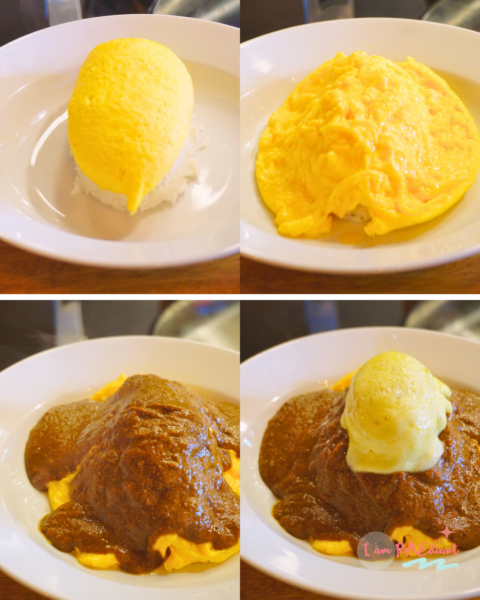
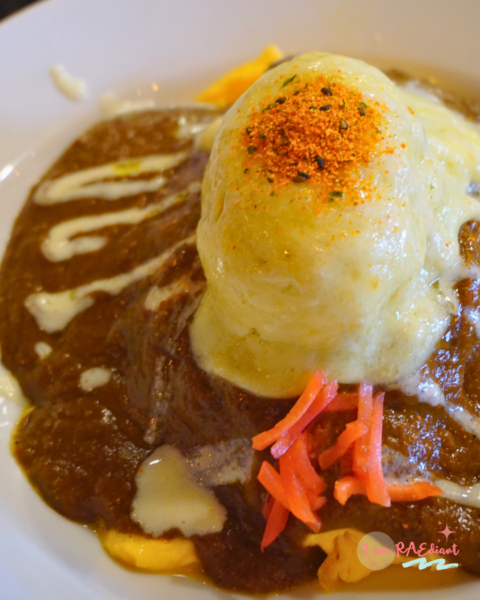
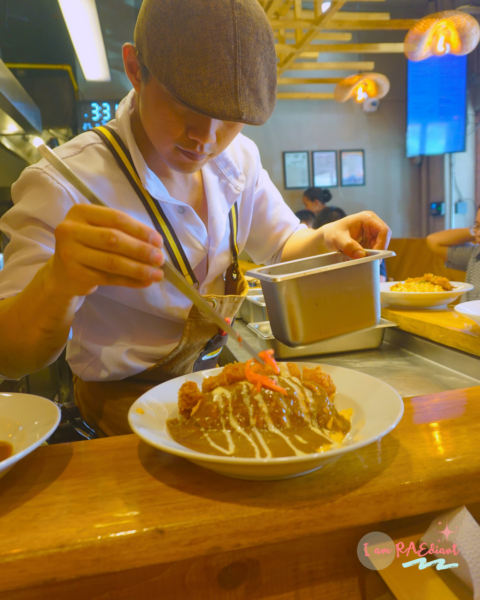
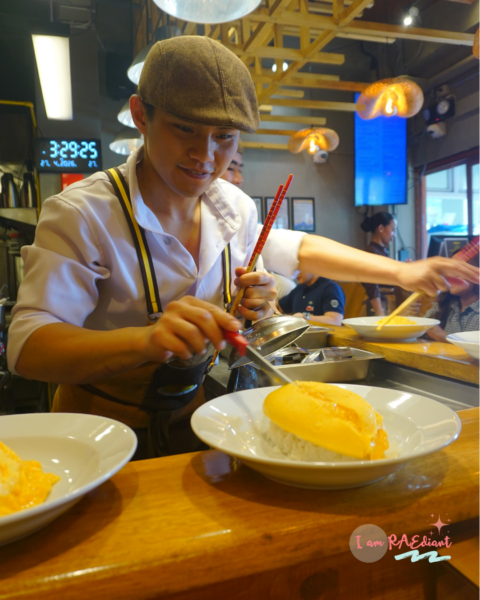
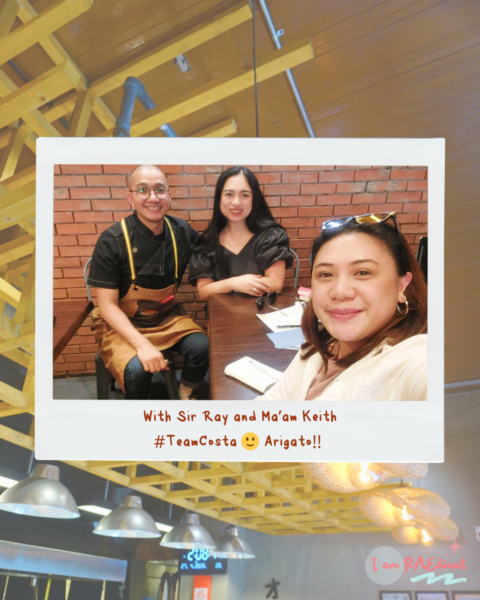
Team Costa—the minds behind Agara Ramen—bring something new to Baguio with Omu. Yes, it’s another taste of Japan—but interestingly, Omu Rice (Omurice) is actually rooted in Western cuisine, reinterpreted through Japanese sensibilities. This style is called Yōshoku (洋食)—Japanese-influenced Western food that emerged during the Meiji era, adapting European dishes to local tastes.
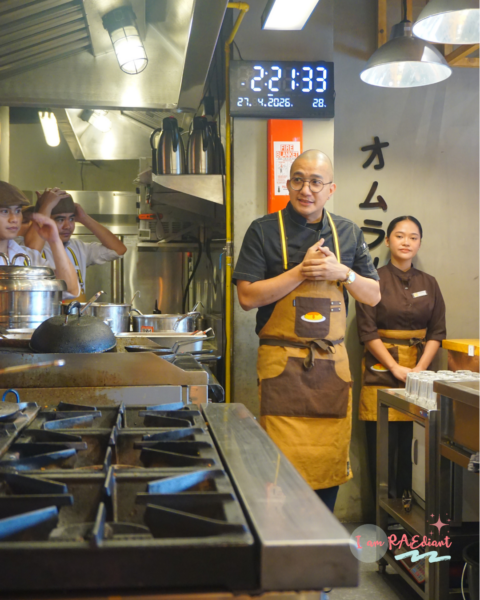
I had a quick chat with the couple behind this; Sir Ray and Ma’am Keith Costa.
“Ang hirap gawin… yung execution. The challenge is there—the artistry, the craftsmanship. Gusto rin natin ng omelette.”
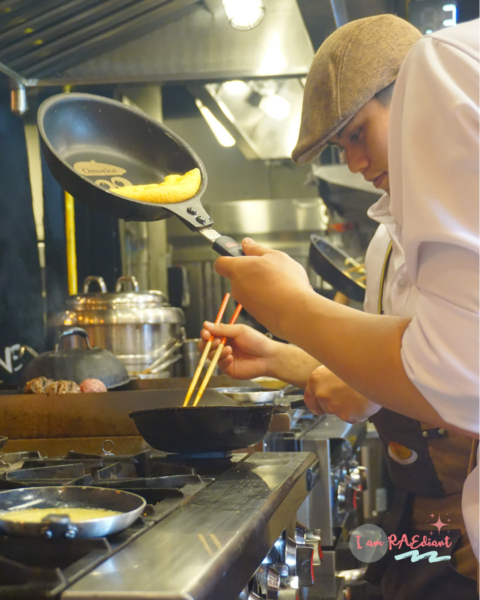
And that really is it. This dish may look simple—but it’s all technique.
Sir Ray even shared how he practiced relentlessly: “Yung unang gawa ko na tama?… tumalon-talon talaga ako!”
Soft Opening: February 28
Grand Opening: April 8
The Star for Me: Demi-Glace
What makes their Omu Rice stand out is the demi-glace sauce.
“Ang preparation niyan, two days… mas matagal pa kaysa sa ramen broth,” Sir Ray said. And that says a lot!
Demi-glace—pronounced dem-ee-GLASS—comes from the French words demi (half) and glace (glaze or shine), referring to how the sauce is slowly reduced until it becomes a rich, glossy, deeply concentrated finish. It’s a classic French sauce made by simmering brown stock and Espagnole sauce down to a velvety, flavor-packed reduction and a bit of tangy profile. That’s it, the REDUCTION says it all!
Ma’am Keith added: “This is made from scratch—not instant.”
And you can taste that difference. It’s not overpowering—it’s balanced, deep, and refine…”sophisticated,” as Sir Ray would describe.
A Quick Note on Omurice
Traditionally, omurice is comfort food—often even considered a childhood dish in Japan.
Its origin traces back to a restaurant called Hokkyokusei, where a chef created it for a customer with a weak stomach—combining omelette and rice for something easy to eat, but more exciting than plain food.
What I Ordered
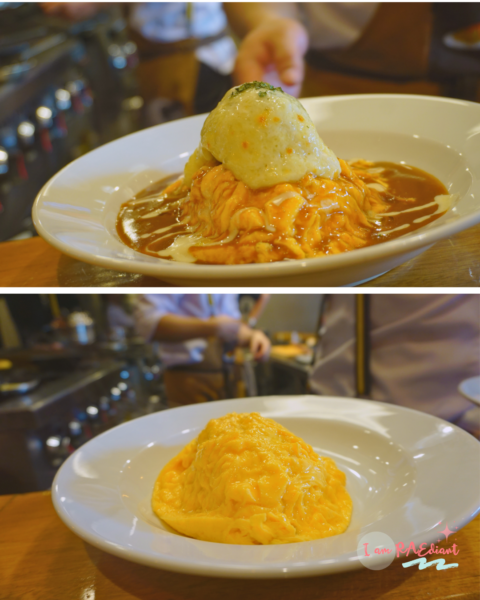
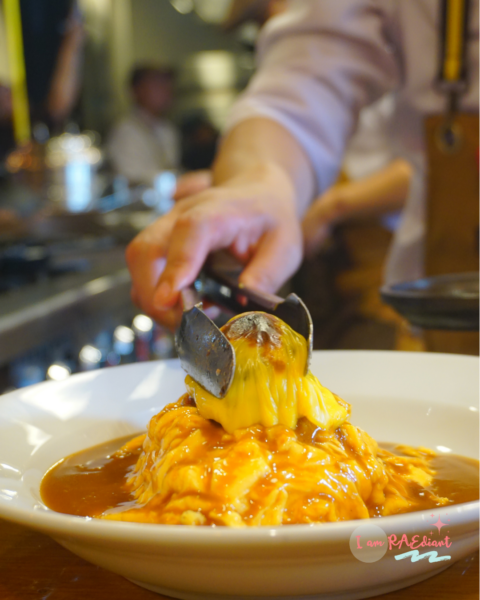
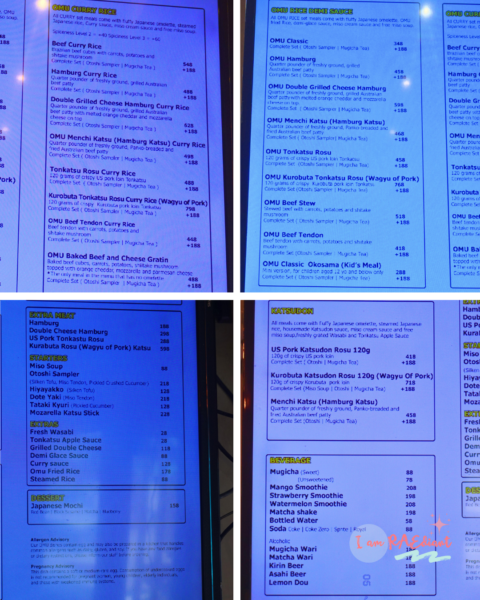
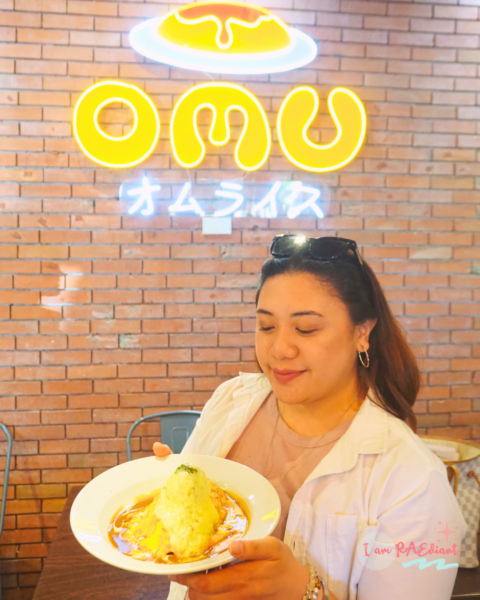
Demi-Glace OMU Double Grilled Cheese Hamburg
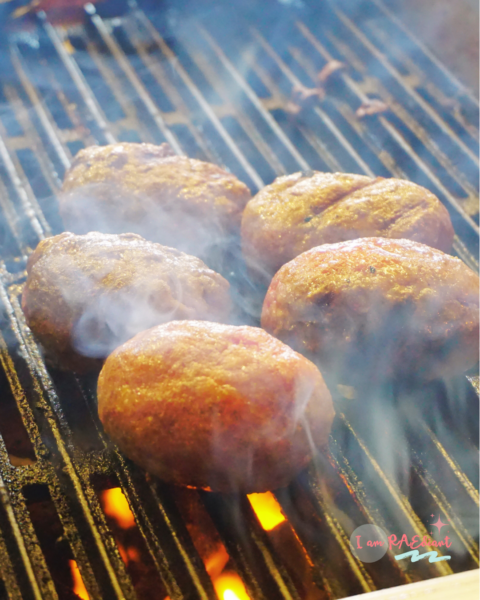
Quarter-pound freshly ground Australian beef patty, topped with melted cheddar and mozzarella. The beef itself is juicy, clean, and doesn’t need much seasoning—it’s there for texture and richness.
Underneath: fried rice with bits of edamame, beef, and mushrooms—subtle, not overpowering. Because really, the dish is about balance. The richness of the beef, the silkiness of the egg, and the depth of the demi-glace—they come together in a way that feels complete, not heavy. Yes, I leaned toward the demi-glace. Something softer. More nuanced.
Still comforting. Plus, as someone who doesn’t prefer curry, I am glad there is the demi-glace option. I also felt giddy that there’s cheese and with mozzarella and cheddar, no less! I’m a cheesy girl like that! Hehe
Curry Option
If you want something stronger, their Japanese curry comes in two spice levels. My husband, Joel, ordered the curry version—definitely bolder, more pronounced. He shared to me that first bite was familiar taste of curry, the spiciness of the curry was quite intense for him. He is eager to try the demi-glace option alone.
Dessert, Anyone?
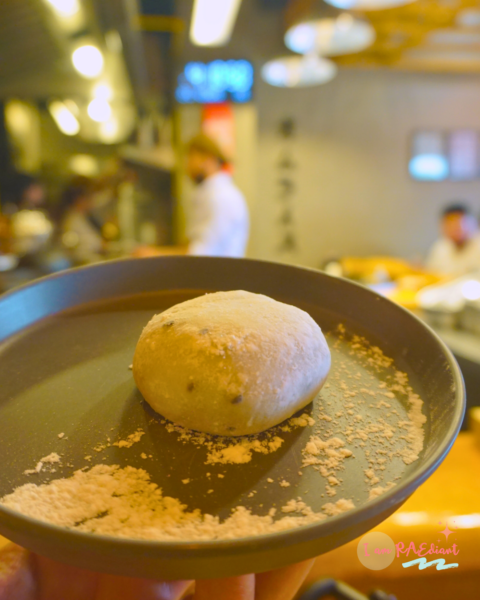
Just like in Agara Ramen, they have mochi! We got the Black Sesame and Chocolate—and I have to say, I loved the chocolate flavor. Mochi is a traditional Japanese dessert made from glutinous rice that’s pounded into a soft, chewy texture—slightly stretchy, lightly sweet, and comforting in its simplicity. It’s often filled or flavored in different ways, making each bite a little surprise of texture and taste. Other flavors available include matcha and mango—so there’s something for every kind of sweet tooth.
Final Thoughts
It’s interesting how something as simple as an egg can carry so much weight.
Technique. Precision. Practice. And here in Baguio, in a small space along North Drive—you’ll find a dish that proves exactly that.
Not just eggs. But craftsmanship, folded into every layer.
References of terms:
https://www.justonecookbook.com/how-to-make-dashi/
(Konnyaku): https://www.healthline.com/nutrition/konjac-root
(Ito Togarashi): https://www.justonecookbook.com/ito-togarashi/
https://www.japan-guide.com/e/e2333.html
https://www.masterclass.com/articles/demi-glace-recipe
Reference: https://www.atlasobscura.com/foods/omurice
Disclaimer: This piece comes from a personal visit—one that turned into a deeper appreciation of the craft behind the dish. It’s shaped by my own experience, supported by research, and a conversation with the owners. While we were invited to try Omu, there was no expectation to write about it. What you’re reading is my honest take—grounded in both experience and a genuine curiosity for the story behind the food.